


Lifting Hooks
Lifting Hooks
Hook the bar, pull, done. No wrapping
- Sold as a pair
- Padded wrist straps
- Instant setup
- For heavy pulls
BF20
Couldn't load pickup availability
Order today, arrives - to -
Shipping
Shipping
Free tracked shipping to the US, UK, Europe, Canada, Australia and New Zealand. We ship worldwide too: for other countries the shipping cost is shown at checkout. We process orders in 1-3 business days.
- United States: free, 7-10 business days after dispatch
- UK, Canada, Australia, New Zealand, EU and other nearby countries: free, 8-14 business days after dispatch
- Rest of the world: $12.99, 10-20 business days after dispatch
You get a tracking number by email as soon as your order ships.
Returns
Returns
You have 60 days from delivery to return SNAPTOR for a full refund. Email support@snaptor.us with your order number and we send you the return address.
Return shipping is on you, unless the bag arrived damaged, defective or wrong. In those cases we cover everything. Full terms are in our Refund Policy.
Lifting Hooks


How it works
Three steps, zero fuss
-
Strap
Close the padded strap around your wrist with the hook on the palm side.
-
Hook
Set the hook under the bar and close your fingers over it.
-
Pull
The bar sits in the hook, so your grip is no longer the limit. Lift and rerack.



By the numbers
Built for the gym
- 2hooks one per hand
- 1sec to hook the bar
- 3lifts deadlift, row, shrug
- 60days money-back window

Specs
What's in the box
- Quantity
- Pair
- Hook
- Open J-hook
- Wrist
- Padded strap
- Use
- Deadlifts, rows, shrugs
- Color
- Black
Compare
Why SNAPTOR
| Feature | Lifting hooks | Lifting straps |
|---|---|---|
| Setup | Instant, no wrapping | Wrap the tail every set |
| Back-to-back sets | Fast | Slower |
| Wrist support | Padded strap | Cotton loop |
| Pull-ups | Not ideal | Yes |
| Price | $19.99 | $19.99 (SNAPTOR Lifting Straps) |
Complete your setup
Pairs well with
-

 SAVE 20%
-

 SAVE 25%
-

 SAVE 28%
-

 SAVE 20%


The details
Lifting hooks for heavy pulls without the wrapping
Straps work, but you wrap them every set. On a block of rows or shrugs that adds up. SNAPTOR lifting hooks skip the wrapping. Close the padded strap around your wrist, set the hook under the bar and pull. The bar sits in the hook, so your forearms stop deciding when the set ends.
Padded wrist straps
The hook is attached to a padded wrist strap. The padding spreads the load across the back of your wrist, which matters on heavy shrugs and rack pulls. The hooks come as a pair, one for each hand, in black.
How to use lifting hooks
- Strap in with the hook on the palm side of your wrist.
- Step up to the bar and set each hook under it.
- Close your fingers over the bar and pull as normal.
- Rerack or set the bar down, then lift the hooks off.
Lifting hooks vs straps
Hooks are the fastest to set up and the easiest to get in and out of between sets. Cotton lifting straps take a few seconds to wrap, but they also work for pull-ups. The rubber Grip Hooks wrap the bar on contact and have no wrist strap, which some lifters prefer for a lower-profile feel.
Who they are for
Lifters who pull heavy and often: deadlift days, high-volume rows, shrug finishers. If wrapping straps every set slows you down or your hands tear before your back is done, hooks are the fastest fix. Beginners can use them too, once the hip hinge is solid and the bar path is under control.
Which lifts they suit
Deadlifts, rack pulls, barbell and dumbbell rows, and shrugs. These are the lifts where the weight you can move with your back and legs is far above what your hands can hold. Keep grip work in your program on lighter sets, and use hooks for the top sets.
Keep them on the rack
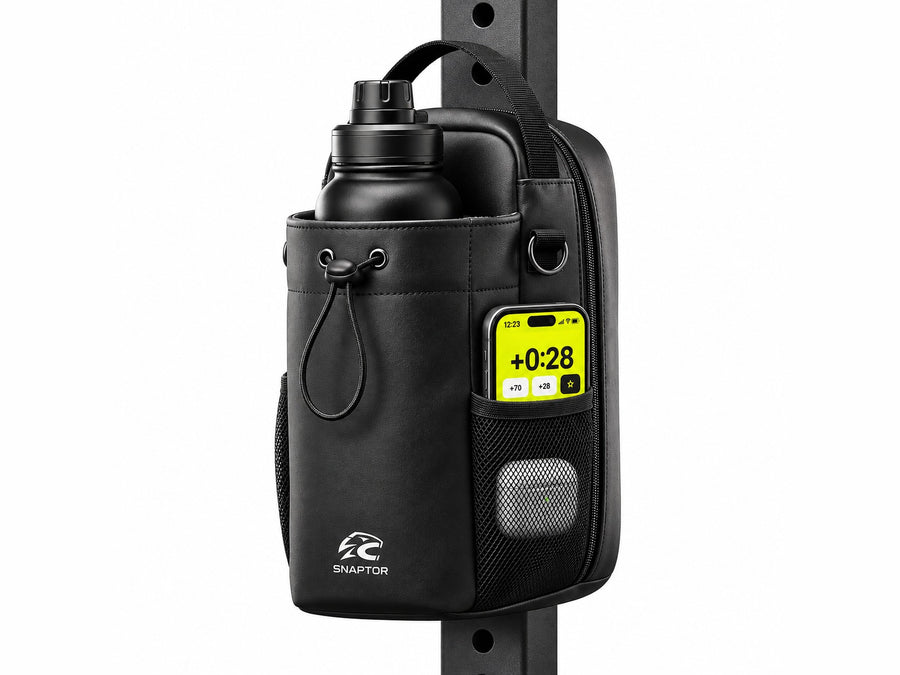
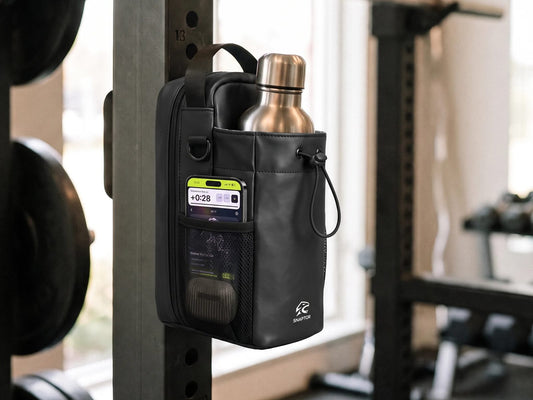
Store them in the SNAPTOR magnetic gym bag that snaps onto the rack. They are there when you need them and off the floor when you do not. More in gym accessories.
Questions people ask
What are lifting hooks used for?
Heavy pulls such as deadlifts, rows and shrugs, where grip would end the set before your back and legs do.
Are lifting hooks better than straps?
Hooks set up faster, which helps on high-rep and back-to-back sets. Straps wrap the bar and also work for pull-ups. Pick by how you train.
Are lifting hooks safe?
Yes, used as intended. Let the bar sit in the hook, keep your fingers over the bar and drop the hook off the bar only after you rerack.
Can I use them for pull-ups?
They are built for barbell and dumbbell pulls. For pull-ups, cotton straps work better.
Do they come as a pair?
Yes, one hook for each hand.
What color are they?
Black.
How does shipping work?
Free shipping to the US, EU, UK, Canada, Australia and New Zealand, with 60 days to return it.


