


Lifting Straps
Lifting Straps
Your back can pull more than your hands can hold
- Sold as a pair
- Woven cotton
- Stitched wrist loop
- No logos
BF20
Couldn't load pickup availability
Order today, arrives - to -
Shipping
Shipping
Free tracked shipping to the US, UK, Europe, Canada, Australia and New Zealand. We ship worldwide too: for other countries the shipping cost is shown at checkout. We process orders in 1-3 business days.
- United States: free, 7-10 business days after dispatch
- UK, Canada, Australia, New Zealand, EU and other nearby countries: free, 8-14 business days after dispatch
- Rest of the world: $12.99, 10-20 business days after dispatch
You get a tracking number by email as soon as your order ships.
Returns
Returns
You have 60 days from delivery to return SNAPTOR for a full refund. Email support@snaptor.us with your order number and we send you the return address.
Return shipping is on you, unless the bag arrived damaged, defective or wrong. In those cases we cover everything. Full terms are in our Refund Policy.
Lifting Straps

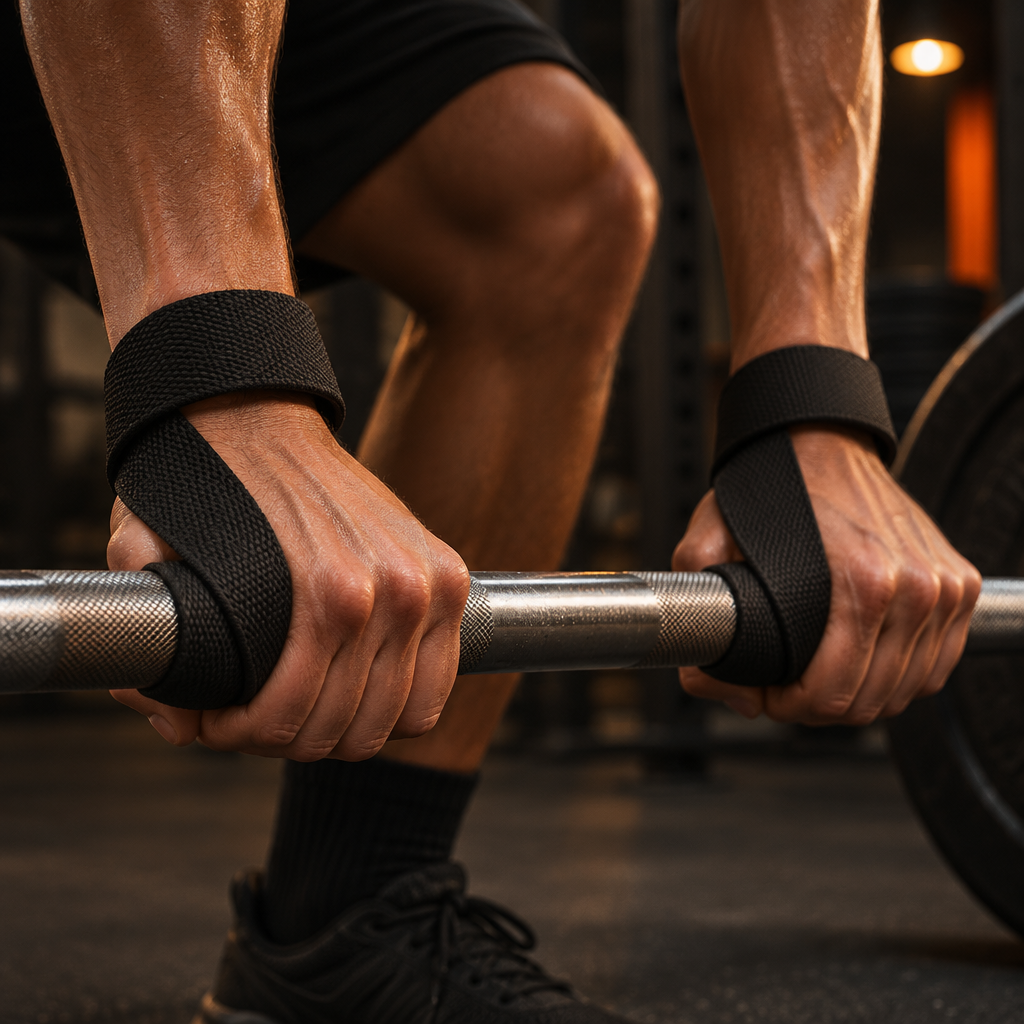
How it works
Three steps, zero fuss
-
Loop
Slide your hand through the stitched loop so the tail runs along your palm toward the thumb.
-
Wrap
Pass the tail under the bar and roll it back over toward you, one or two turns.
-
Pull
Twist the bar to tighten the wrap, then grip and pull. Unwind after the set.



By the numbers
Built for the gym
- 2straps one per hand
- 4lifts deadlift, row, shrug, pull-up
- 0logos plain black
- 60days money-back window

Specs
What's in the box
- Quantity
- Pair
- Material
- Woven non-slip cotton
- Loop
- Stitched wrist loop
- Use
- Deadlifts, rows, shrugs, pull-ups
- Color
- Black, no logos
Compare
Why SNAPTOR
| Feature | Lifting straps | Lifting hooks |
|---|---|---|
| How they hold | Cotton tail wraps the bar | Metal hook catches the bar |
| Setup | A few seconds to wrap | Instant |
| Pull-ups | Yes | Not ideal |
| Pack size | Rolls up small | Bulkier |
| Price | $19.99 | $19.99 (SNAPTOR Lifting Hooks) |
Complete your setup
Pairs well with
-

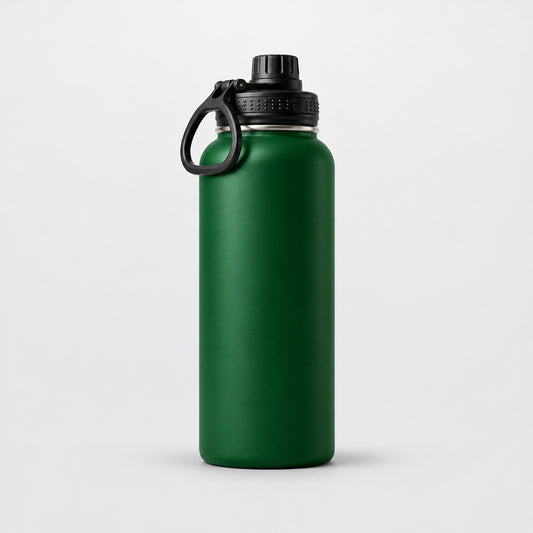 SAVE 22%
Bottle 32 oz
Regular price $34.99Sale price $34.99 Regular priceUnit price per$44.995 colors
22% -

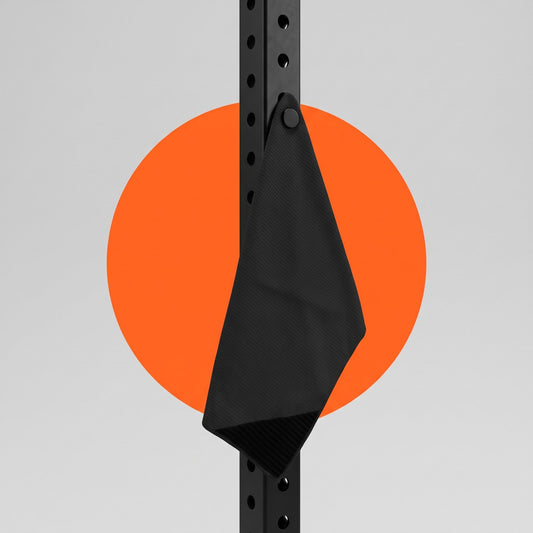 SAVE 28%
-

 SAVE 20%
-

 SAVE 25%


The details
Lifting straps for the sets your grip cannot finish
On heavy deadlifts and rows, your back and legs usually have reps left when your fingers open. Lifting straps fix that. A cotton tail wraps the bar and locks your hands to it, so the set ends when the target muscles are done, not when your grip is.
How to use lifting straps
- Slide your hand through the stitched loop. The tail should run along your palm toward your thumb.
- Pass the tail under the bar and roll it back over toward you, one or two turns.
- Twist the bar toward you to pull the wrap tight, close your hand and lift.
- After the set, open your hand and roll the bar forward to unwind.
It takes a few sessions to wrap fast. Practice on an empty bar first.
Woven cotton, stitched loop
The straps are woven non-slip cotton with a stitched wrist loop. Cotton grips the knurling and softens with use. They come as a pair in plain black with no logos, and they roll up small enough for any bag pocket.
Straps or hooks
Straps wrap the bar and also work on pull-ups and chin-ups. The SNAPTOR Lifting Hooks catch the bar with a metal hook and set up instantly, which suits back-to-back sets on rows or shrugs. If you want something in between, the Grip Hooks are rubber and wrap the bar on contact.
Do straps make your grip weak
Only if you strap up for everything. Grip strength comes from holding heavy weight, so keep doing warm-ups, lighter working sets and some carries with bare hands. Save the straps for the sets where your hands would fail first. That way your back gets the load and your grip still adapts.
When to use them
Use straps on your heaviest pulling sets. Warm up and do lighter sets without them, so your grip keeps getting stronger. Most strength coaches program it this way.
Where they live between sets
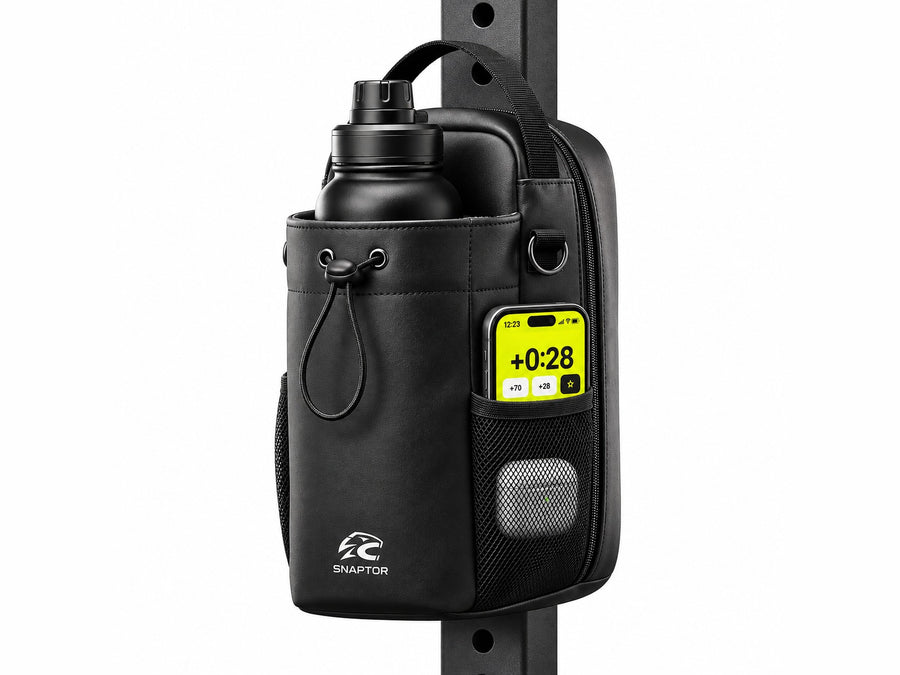
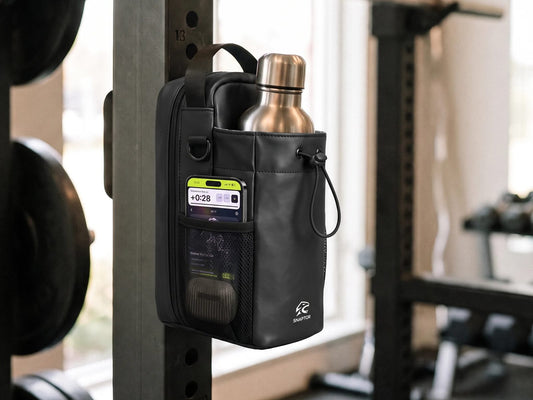
Keep them in the SNAPTOR magnetic gym bag on the rack, next to your phone and chalk. No digging through a locker bag on the floor. See all gym accessories.
Questions people ask
Are lifting straps cheating?
No. Straps take grip out of pulling exercises so your back and legs get the full load. Many lifters train grip on its own and strap up for the heaviest sets.
How do lifting straps work?
The loop sits around your wrist and the tail wraps the bar. Once the wrap is tight, the bar hangs on the strap and your wrist, so your fingers no longer have to hold all the weight.
How do I wrap lifting straps?
Hand through the loop, tail under the bar, roll it back toward you once or twice, then twist the bar to tighten. Practice with an empty bar first.
Which exercises are straps good for?
Deadlifts, rows, shrugs and pull-ups, or any pull where your hands give out before the muscles you are training.
Straps or hooks?
Straps wrap the bar and work for pull-ups. Hooks set up faster for back-to-back sets. Plenty of lifters keep both.
Should I use straps on every set?
Most lifters warm up without straps and put them on for the top sets, so grip still gets trained.
How does shipping work?
Free shipping to the US, EU, UK, Canada, Australia and New Zealand, with 60 days to return it.


